What Salary Do You Need to Live in Nashville in 2026?
If you’re relocating to Nashville in 2026, one of the first questions you’re asking is how much you actually need to make to live comfortably here.
The honest answer depends on your lifestyle expectations, whether you’re renting or buying, which suburb you choose, and whether you’re moving from a high-cost state. Here’s a realistic breakdown.
The Short Answer
For most households, $120,000–$160,000 per year supports a comfortable lifestyle in Nashville in 2026. That assumes homeownership in a desirable suburb, moderate lifestyle spending, and average family size.
Housing Costs in Nashville (2026 Snapshot)
Housing drives the number. The median home price is approximately $550,000, though it varies by location.
Popular suburbs include:
- Brentwood – Higher price point
- Franklin – Competitive luxury + family appeal
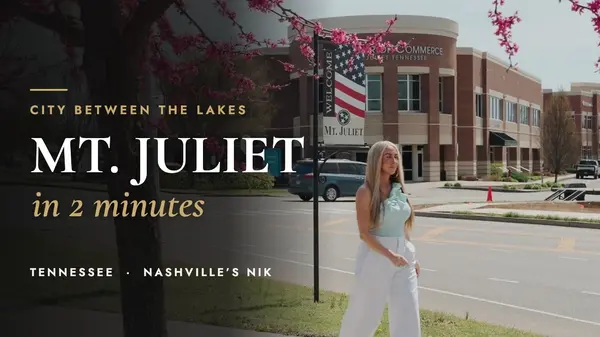
- Mount Juliet – Strong value + new construction
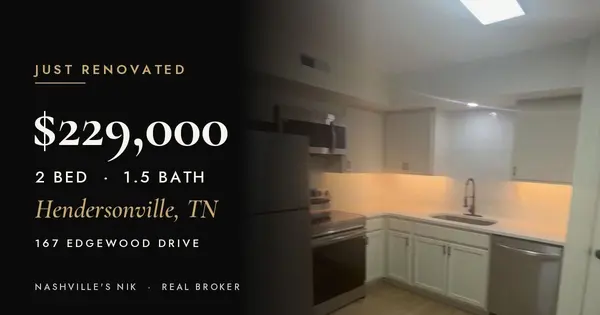
- Hendersonville – Lake access + suburban living
The monthly payment on a $550K home, with average rates and 10–20% down, can land in the $3,200–$3,800 range depending on structure.
Salary by Lifestyle Tier
Entry-Level Comfort: $90,000–$110,000
- Renting or buying under median
- Suburban living outside premium zones
- Moderate discretionary spending
Comfortable Family Living: $120,000–$160,000
- Homeownership in strong suburbs
- Balanced lifestyle
- Travel and dining flexibility
- School district considerations
Luxury Lifestyle: $200,000+
- Brentwood / Belle Meade
- Custom homes
- Private schools
- Higher discretionary spending
Neighborhood choice shifts the required income significantly.
Is Nashville Still Affordable Compared to Other States?
If you’re relocating from California, New York, or Illinois, you may find Nashville significantly more manageable — especially with no state income tax.
If you’re relocating from smaller Southern markets, Nashville may feel competitive.
Other Monthly Costs to Consider
Beyond housing:
- Utilities: Moderate
- Property taxes: Lower than many high-tax states
- Groceries: Slightly above national average
- Transportation: Car-dependent in most suburbs
- Healthcare: Strong local systems
The absence of state income tax meaningfully shifts take-home pay.
The Biggest Variable: Neighborhood Selection
This is where most relocation buyers miscalculate. Brentwood is not Mount Juliet. Franklin is not Hendersonville. Urban Nashville is not Old Hickory Lake. Real numbers beat assumptions — explore actual inventory before deciding if your salary works.
Is Nashville Worth the Salary Jump?
For many buyers, yes. Nashville offers economic growth, long-term appreciation trends, no state income tax, and lifestyle diversity. But it’s not a “cheap market” anymore — strategic buying matters more than ever.
Frequently Asked Questions
What is a good salary in Nashville in 2026?
For most households, $120,000–$160,000 supports comfortable homeownership and lifestyle flexibility.
Is $100,000 enough to live in Nashville?
Yes, depending on housing choices and neighborhood selection. It may limit luxury options.
Is Nashville more affordable than California?
In most cases, yes — particularly when factoring in state income tax.
What is the average home price in Nashville in 2026?
Approximately $550,000, though it varies widely by suburb.
Is Nashville expensive compared to other Southern cities?
It is more expensive than some smaller Southern markets but remains competitive relative to major metro areas.
Relocating to Nashville?
If you’re trying to determine whether your income works here, start with real inventory, or schedule a relocation strategy call to map out neighborhoods that align with your budget and goals.
Nik Shewmaker
(615) 585-0022
NashvillesNik@gmail.com
www.NashvillesNik.com
Categories
- All Blogs (347)
- -Brentwood--TN-vs--Franklin--TN---Which-Is-Better-for-You--Nashville-s-Nik-Compares-the-Two (1)
- -Is-Brentwood--TN-a-Good-Place-to-Invest-in-Real-Estate--Nashville-s-Nik-Shares-Market-Insights (1)
- -Is-Brentwood--TN-a-Suburb-of-Nashville--Nashville-s-Nik-Explains-the-Connection (1)
- -Is-Brentwood--TN-Safe--What-You-Should-Know-Before-Moving---with-Nashville-s-Nik (1)
- -Moving-to-Brentwood--TN--Nashville-s-Nik-s-Complete-Relocation-Guide-for-2025 (1)
- -Top-5-Nashville-Suburbs-for-Out-of-State-Buyers (1)
- -What-Are-the-Best-Neighborhoods-in-Brentwood--TN--Nashville-s-Nik-Shares-Local-Favorites (1)
- -What-Jobs-Are-in-Brentwood--TN--Nashville-s-Nik-Breaks-Down-the-Local-Economy (1)
- 10-Mistakes-to-Avoid-When-Buying-a-Home-in-Nashville (1)
- A Local’s Guide to the Best Coffee Shops in Middle Tennessee (1)
- Arrington TN Real Estate (1)
- Best-Nashville-Neighborhoods-for-First-Time-Buyers-in-2025 (1)
- Best-Realtor-in-Nashville---Franklin--What-to-Ask-Before-Hiring-a-Middle-Tennessee-Real-Estate-Agent (1)
- Brentwood (1)
- Brentwood Guide (3)
- Brentwood TN Real Estate (1)
- Can I Sell My Home While in Forbearance in Nashville? (1)
- Can-I-Buy-My-First-Home-in-Nashville-With-Zero-Down- (1)
- College Grove TN Real Estate (1)
- Do-I-Really-Need-a-Buyer-s-Agent-When-Purchasing-in-Nashville- (1)
- First-Time Buyers (1)
- franklin (1)
- Franklin TN Real Estate (1)
- Gallatin Guide (1)
- Gallatin TN Real Estate (1)
- Hendersonville (1)
- Hendersonville Real Estate (2)
- Here are five top events happening in Nashville, Tennessee, in June 2025 (1)
- Home Buying Tips (3)
- Home Preparation (1)
- Home Selling Tips (8)
- Home Values (2)
- How Do I Handle a Low Appraisal When Selling My Home in Nashville? (1)
- How Do I Know If I’m Ready to Sell My Home in Nashville? (1)
- How Do I Sell My Home Quickly in Nashville, TN? (1)
- How Does Nashville’s Healthcare System Compare for Newcomers? (1)
- How Is the Real Estate Market in Brentwood, TN? Nashville’s Nik Gives the 2025 Update (1)
- How Much Do I Really Need for a Down Payment on a Nashville Home? (1)
- How Much Does It Cost to Sell a Home in Brentwood, TN (1)
- How to Improve Your Credit Score Before Buying a Home in Nashville (1)
- How to Maximize Your Profit When You Sell Your Home in Nashville, TN (1)
- How to Sell a Home in a Changing Nashville Real Estate Market (1)
- How to Sell a Home That Needs Repairs in Nashville, TN (1)
- How to Sell a Home With Solar Panels in Nashville (1)
- How to Sell Your Home As-Is in Mount Juliet, TN (1)
- How to Sell Your Home by Owner in Brentwood, TN (1)
- How to Sell Your Home Fast in Hendersonville, TN (1)
- How to Sell Your Home in Arlington, TN (1)
- How to Sell Your Home in Forest Hills, TN: A Smart Seller’s Guide (1)
- How to Sell Your Home in Nashville After a Divorce (1)
- How to Sell Your Home in Nolensville, TN: A Complete Guide (1)
- How to Sell Your Home in Oak Hill, TN: A Step-by-Step Guide (1)
- How to Sell Your Home in Spring Hill, TN: A Complete Guide (1)
- How to Stage a Home for Sale in Nashville, TN (1)
- How-Are-the-Schools-in-Brentwood--TN--Nik-s-Expert-Overview (1)
- How-Do-I-Buy-a-Home-in-Nashville--TN (1)
- How-Do-Nashville-s-Grocery-and-Shopping-Options-Compare-for-Newcomers- (1)
- How-Do-Nashville-s-Job-Opportunities-Compare-for-Relocators- (1)
- How-Do-Nashville-s-Neighborhoods-Differ-for-New-Residents- (1)
- How-Do-Nashville-s-Parks-and-Outdoor-Spaces-Compare-for-Families- (1)
- How-Do-Nashville-s-Taxes-Compare-for-New-Residents- (1)
- How-Do-Nashville-s-Utilities-and-Internet-Compare-for-New-Residents- (1)
- How-Does-Nashville-s-Food-Scene-Compare-for-New-Residents- (1)
- How-Does-Nashville-s-Housing-Market-Compare-for-Relocators- (1)
- How-Does-Nashville-s-Public-Transit-Compare-for-Newcomers- (1)
- How-Does-Nashville-s-School-System-Compare-for-Relocating-Families- (1)
- How-Far-Is-Brentwood--TN-from-Franklin--Nashville-s-Nik-Explains-the-Local-Connection (1)
- How-Far-Is-Brentwood--TN-from-Nashville--Nashville-s-Nik-Explains-the-Commute--Traffic--and-Access (1)
- How-Interest-Rate-Changes-Could-Impact-Your-Nashville-Home-Purchase (1)
- How-Is-Nashville-s-Commute-and-Public-Transportation-for-Newcomers- (1)
- How-Long-Does-It-Take-to-Buy-a-Home-in-Nashville--TN- (1)
- How-Much-Does-It-Really-Cost-to-Relocate-to-Nashville- (1)
- How-Much-House-Can-I-Afford-in-Nashville- (1)
- How-Nashville-s-Growth-Is-Affecting-First-Time-Home-Buyers (1)
- How-to-Avoid-Buyer-s-Remorse-When-Purchasing-a-Home-in-Nashville (1)
- How-to-Avoid-Overpaying-for-a-Home-in-Nashville-s-Popular-Areas (1)
- How-to-Buy-a-Condo-in-Nashville---What-You-Need-to-Know (1)
- How-to-Buy-a-Fixer-Upper-in-Nashville-Without-Breaking-the-Bank (1)
- How-to-Buy-a-Home-in-Nashville-on-a-Tight-Budget---Real-Strategies-That-Work (1)
- How-to-Buy-a-Home-in-Nashville-When-You-re-Relocating-From-Another-State (1)
- How-to-Buy-a-Home-in-Nashville-with-Bad-Credit (1)
- How-to-Buy-a-Home-in-Nashville-Without-Regretting-It-Later (1)
- How-to-Buy-a-Home-in-Nashville-Without-Selling-Your-Current-House-First (1)
- How-to-Buy-Your-First-Home-in-East-Nashville-Without-Getting-Overwhelmed (1)
- How-to-Choose-the-Best-Realtor-in-Brentwood--Tennessee (1)
- How-to-Choose-the-Best-Realtor-in-Franklin--Tennessee (1)
- How-to-Choose-the-Best-Realtor-in-Hendersonville--Tennessee (1)
- How-to-Choose-the-Right-Nashville-Suburb-for-Your-Lifestyle (1)
- How-to-Find-the-Best-Deals-on-Homes-in-Nashville-Right-Now (1)
- How-to-Get-Pre-Approved-for-a-Home-Loan-in-Nashville (1)
- How-to-Negotiate-Repairs-After-a-Home-Inspection-in-Nashville (1)
- How-to-Spot-a-Great-Deal-in-the-Nashville-Housing-Market (1)
- How-to-Win-a-Multiple-Offer-Situation-When-Buying-in-Nashville (1)
- How-to-Work-With-a-Nashville-REALTOR-to-Find-Your-Perfect-Home (1)
- Investing (1)
- Investment Properties (1)
- Is-Brentwood--TN-a-Good-Place-to-Raise-a-Family--Nashville-s-Nik-Shares-Why-Parents-Love-It-Here (1)
- Is-Brentwood--TN-a-Good-Place-to-Retire--Nashville-s-Nik-Shares-Why-It-s-Ideal-for-Active-Adults (1)
- Is-Brentwood--TN-Expensive--Nashville-s-Nik-Breaks-Down-the-Real-Costs-of-Living-Well (1)
- Is-It-Smarter-to-Buy-a-Home-in-Nashville-Before-Interest-Rates-Drop-Again- (1)
- Is-Nashville-a-Good-Place-to-Retire- (1)
- Is-Now-a-Good-Time-to-Buy-a-Home-in-Nashville-With-Today-s-Interest-Rates- (1)
- Is-Relocating-to-Nashville-a-Good-Idea-in-2025- (1)
- Lakefront Living (2)
- Lebanon TN Real Estate (1)
- Listing Agent (1)
- Luxury Homes (3)
- Luxury Real Estate (1)
- Market Updates (1)
- Middle Tennessee Real Estate (1)
- Mount Juliet Guide (4)
- Mount Juliet TN Real Estate (1)
- Moving-from-New-York-to-Tennessee--Here-s-What-You-Should-Know--From-a-Nashville-Relocation-Specialist- (1)
- Murfreesboro Guide (1)
- Murfreesboro TN Real Estate (1)
- Nashville (1)
- Nashville Guide (3)
- Nashville Neighborhoods (1)
- Nashville Real Estate (6)
- Nashville Real Estate Market (2)
- Nashville TN Real Estate (1)
- Nashville’s Musical Roots: Museums, Hidden Gems, and a DIY Walking Tour (1)
- Neighborhood Guides (1)
- New Construction (2)
- Nolensville TN Real Estate (1)
- Pet-Friendly Spots in Middle Tennessee: Parks, Patios, and More (1)
- Real Estate Advice (1)
- Real Estate Tips (1)
- Relocation Guide (1)
- Relocation to Nashville (1)
- Seasonal Home Maintenance Tips for Middle Tennessee Homeowners (1)
- Seller Resources (12)
- Selling Your Home (1)
- Should I Sell My Home Now or Wait in Nashville, TN? (1)
- Should I Sell My Home or Rent It Out in Nashville, TN? (1)
- Should-I-Rent-or-Buy-a-Home-in-Nashville-Right-Now----Expert-Advice-From-Nik-Shewmaker-REALTOR (1)
- Should-I-Use-a-Local-Nashville-Lender-or-a-Big-Bank-to-Buy-My-Home- (1)
- Spring Hill TN Real Estate (1)
- The Titans of Nashville: Exploring the Largest Companies Shaping Music City (1)
- The-Ultimate-Nashville-Home-Buyer-s-Checklist-for-2025 (1)
- Things I Love About Providence Marketplace in Mount Juliet (1)
- Thompson’s Station TN Real (1)
- Top 3 State Parks in Middle Ten (1)
- Top 5 Can’t-Miss Family-Friendly Festivals in Nashville, Tennessee – June 2025 (1)
- Top Lakes in Middle Tennessee for Boating, Fishing, and Swimming Nik S (1)
- Top Things to Do in Mount Juliet, Tennessee: A Local’s Guide to Fun and Adventure (1)
- Top Upscale Restaurants in Brentwood, Tennessee (1)
- What Are the Pros and Cons of Selling a Home Without a Realtor in Nashville, TN? (1)
- What Happens After You Accept an Offer on Your Home in Nashville, TN? (1)
- What Happens After You Sell Your Home in Nashville, TN? (1)
- What Is the First Step in Selling Your Home in Nashville, TN? (1)
- What Paperwork Do I Need to Sell My Home in Nashville? (1)
- What to Do Before You Sell Your Home in Nashville, TN (1)
- What to Expect When You Sell Your Home in Nashville, TN (1)
- What-Are-Closing-Costs-When-Buying-a-Home-in-Nashville--TN- (1)
- What-Are-the-Best-First-Time-Buyer-Loan-Programs-in-Tennessee- (1)
- What-Are-the-Safest-Neighborhoods-in-Nashville-for-New-Residents- (1)
- What-Credit-Score-Do-You-Need-to-Buy-a-Home-in-Nashville--TN- (1)
- What-I-Wish-I-Knew-Before-Buying-My-First-Home-in-Nashville (1)
- What-Is-the-Average-Home-Price-in-Brentwood--TN--Nashville-s-Nik-Breaks-Down-the-Market (1)
- What-Is-the-Average-Mortgage-Payment-for-a-Home-in-Nashville-in-2025- (1)
- What-Is-the-Easiest-Way-to-Buy-a-House-in-Nashville-in-Today-s-Market- (1)
- What-Jobs-Are-Bringing-People-to-Nashville- (1)
- What-s-It-Like-Living-in-Brentwood--TN--Nashville-s-Nik-Shares-a-Local-s-Honest-Take (1)
- What-s-the-Best-Time-of-Year-to-Relocate-to-Nashville- (1)
- What-s-the-Weather-Like-in-Brentwood--TN--Nashville-s-Nik-Shares-What-to-Expect-Year-Round (1)
- What-Should-I-Know-About-Nashville-s-Weather-Before-Relocating- (1)
- What-to-Know-About-Homeowners-Insurance-When-Buying-in-Nashville (1)
- When to Sell Your Home in Franklin, TN (1)
- Why Are Homes in Nashville Not Selling Like They Used To? (1)
- Why-Are-So-Many-People-Moving-to-Brentwood--TN--Nashville-s-Nik-Explains-the-Surge (1)
- Why-So-Many-New-Yorkers-Are-Moving-to-Tennessee (1)
- Why-Waiting-to-Buy-a-Home-in-Nashville-Could-Cost-You-More (1)
- Why-Working-With-a-Local-Expert-Like-Nik-Shewmaker-REALTOR-Can-Save-You-Thousands (1)
- Why-You-Shouldn-t-Skip-the-Home-Inspection-When-Buying-in-Nashville (1)
Recent Posts