The Complete Nashville Home Selling Timeline

The Complete Nashville Home Selling Timeline
Selling a home is one of the largest financial transactions most people will ever make.
Yet many homeowners begin the process without fully understanding what happens between the day they decide to sell and the day they hand over the keys at closing.
While every transaction is unique, successful home sales typically follow a well-organized timeline that minimizes stress, reduces surprises, and positions the property for the strongest possible outcome.
Understanding each step in advance allows you to prepare with confidence.
Whether you're selling a luxury estate in Brentwood, a historic home in Franklin, a lakefront property on Old Hickory Lake, or a family home in Hendersonville, Gallatin, Mount Juliet, Lebanon, College Grove, Nolensville, Spring Hill, White House, or Nashville, having a clear roadmap can make the entire experience smoother.
This guide walks through each stage of the selling process—from your first consultation through closing day—so you'll know what to expect and how each decision contributes to a successful sale.
- Decide to Sell
- Consultation
- Pricing
- Home Preparation
- Staging
- Photos & Video
- Go Live
- Showings
- Offers
- Under Contract
- Inspection
- Appraisal
- Closing
Contact Nashville's Nik
Nik Shewmaker
REALTOR® | Real Broker
📞 (615) 585-0022
Serving Nashville, Brentwood, Franklin, Hendersonville, Gallatin, Mount Juliet, Lebanon, College Grove, Nolensville, Spring Hill, White House, Old Hickory Lake, and communities throughout Middle Tennessee.
Step 1: Deciding to Sell
Every successful sale begins with a decision.
For some homeowners, the reason is exciting:
- Purchasing a larger home
- Downsizing
- Relocating for work
- Moving closer to family
- Retirement
- Building a custom home
Others sell because life circumstances have changed.
Regardless of the reason, it's important to define your goals before anything else.
Ask yourself:
- When would I like to move?
- Where am I going next?
- Do I need the proceeds from this sale to purchase another home?
- What improvements should I make before listing?
- What timeline works best for my family?
Clarifying these answers early helps shape every decision that follows.
Step 2: Schedule a Seller Consultation
Before discussing price or marketing, an experienced REALTOR® should take time to understand your goals.
A seller consultation is an opportunity to evaluate:
- Your home's current condition
- Neighborhood market trends
- Comparable recent sales
- Timing considerations
- Pricing strategy
- Improvements with the best return on investment
- Estimated selling costs
- Expected net proceeds
- Marketing opportunities
- A realistic timeline
This meeting also gives you the chance to ask questions and understand what to expect throughout the process.
Rather than guessing, you'll leave with a clear plan designed specifically for your property.
Step 3: Determine Your Home's Value
One of the first tasks after the consultation is preparing a Comparative Market Analysis (CMA).
A CMA evaluates:
- Recently sold homes
- Pending sales
- Active competition
- Neighborhood demand
- Inventory levels
- Market trends
- Your home's upgrades and unique features
The objective isn't simply to assign a price.
It's to determine a pricing strategy that attracts qualified buyers while maximizing your final sales price.
This step lays the foundation for every stage that follows.
Step 4: Create a Preparation Plan
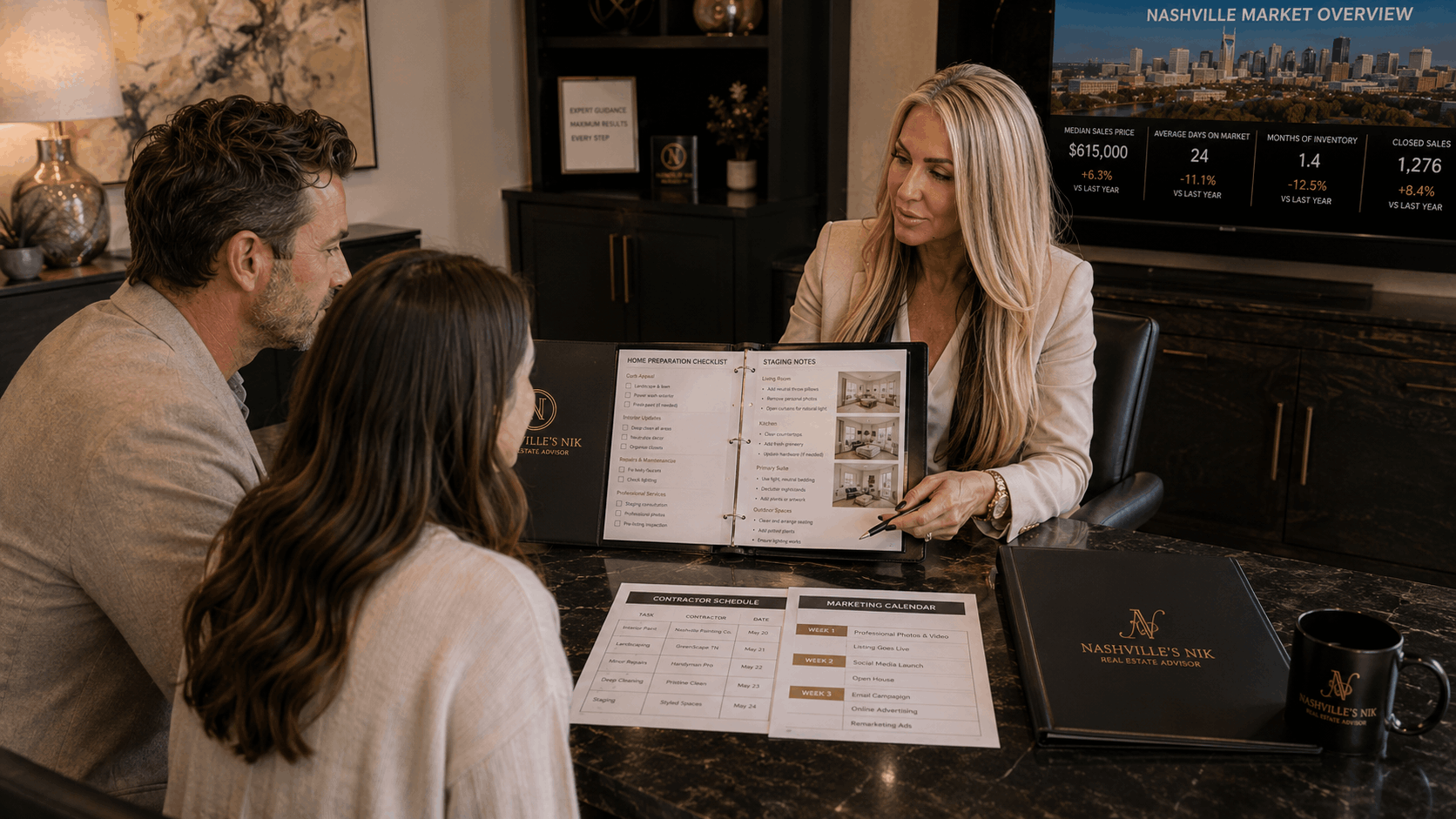
Very few homes are ready for the market immediately.
Instead of rushing to list, successful sellers usually spend time preparing their property.
- Decluttering
- Deep cleaning
- Minor repairs
- Interior paint touch-ups
- Landscaping improvements
- Pressure washing
- Professional staging
- Window cleaning
- Carpet cleaning
- Lighting updates
- Organizing storage spaces
These improvements often create a stronger first impression and help buyers envision themselves living in the home.
A well-prepared home frequently generates more interest, stronger offers, and smoother negotiations.
Step 5: Professional Staging
Once your home is clean and repaired, the next step is presenting it in a way that allows buyers to immediately picture themselves living there.
Professional staging isn't about making your home look expensive—it's about making it feel spacious, welcoming, and move-in ready.
A professional stager may recommend:
- Rearranging furniture
- Removing oversized pieces
- Adding artwork
- Updating bedding
- Fresh towels
- Decorative accessories
- Fresh flowers or greenery
- Neutral décor
- Improving room flow
The goal is to highlight your home's best features while minimizing distractions.
Even occupied homes often benefit from a staging consultation because small adjustments can dramatically improve photography and buyer perception.
Step 6: Professional Photography
Today's buyers almost always discover homes online before scheduling a showing.
That means your photographs become your home's first showing.
Professional photography is no longer optional—it's one of the most important marketing investments you can make.
High-quality images should showcase:
- Exterior curb appeal
- Living spaces
- Kitchen
- Primary suite
- Bathrooms
- Outdoor living
- Special features
- Natural lighting
- Architectural details
Professional editing ensures colors appear natural while accurately representing the home.
The objective isn't simply to take attractive photos.
The objective is to convince buyers to schedule a private showing.
Step 7: Video, Drone Photography, and Floor Plans
Modern buyers expect more than still photos.
Professional marketing often includes:
Cinematic Video
Video allows buyers to experience the flow of the home before visiting.
It creates emotional engagement that photographs alone cannot achieve
Drone Photography
Drone images highlight:
- Lot size
- Privacy
- Lake frontage
- Golf course views
- Acreage
- Neighborhood setting
- Surrounding amenities
For many luxury and waterfront properties, drone photography has become essential.
Interactive Floor Plans
Floor plans help buyers understand:
- Room sizes
- Layout
- Furniture placement
- Traffic flow
Many buyers appreciate knowing whether a home's layout fits their lifestyle before scheduling a showing.
Step 8: Build a Comprehensive Marketing Strategy
Putting a home on the MLS is only one piece of a successful marketing plan.
Today's strongest listings combine multiple marketing channels designed to maximize exposure.
A comprehensive strategy may include:
- Professional photography
- Cinematic video
- Drone photography
- Interactive floor plans
- MLS exposure
- Social media campaigns
- Google Business Profile posts
- LinkedIn marketing
- AI-powered search optimization
- Digital advertising
- Email campaigns
- Agent-to-agent networking
- Open houses
- Neighborhood announcements
The objective is to ensure your home reaches the largest possible audience of qualified buyers.
Step 9: Going Live on the Market

Launch day is exciting.
It's also one of the most important days of the entire selling process.
Your listing becomes visible to buyers actively searching for homes throughout Middle Tennessee.
During the first several days, buyers typically evaluate:
- Asking price
- Photography
- Property description
- Features
- Location
- Days on market
Because new listings receive increased visibility, proper pricing and professional marketing become especially important during this period.
The first impression often determines whether buyers schedule a showing.
Step 10: Showings Begin
Once your listing is active, you'll begin receiving showing requests.
Keeping your home ready may require some flexibility, but it can significantly increase buyer interest.
Before every showing:
- Turn on lights
- Open blinds
- Adjust the thermostat
- Secure valuables
- Remove pet items
- Empty trash cans
- Wipe kitchen counters
- Make beds
- Ensure bathrooms are spotless
Buyers often decide how they feel about a home within the first few minutes.
A clean, bright, welcoming environment helps create a positive experience.
Step 11: Open Houses
While not every home requires an open house, they can provide valuable exposure—particularly during the first weekend on the market.
Open houses may:
- Increase foot traffic
- Generate additional interest
- Introduce buyers who weren't actively searching
- Create urgency
- Produce valuable feedback
Luxury properties sometimes benefit from private broker previews or invitation-only events in addition to public open houses.
Step 12: Reviewing Offers
Receiving an offer is exciting, but the highest price isn't always the best offer.
Every offer should be evaluated carefully.
Important considerations include:
- Purchase price
- Earnest money
- Financing type
- Down payment
- Inspection contingency
- Appraisal contingency
- Closing timeline
- Requested repairs
- Seller concessions
- Possession date
An experienced REALTOR® helps compare offers objectively and negotiate terms that best align with your goals.
Sometimes a slightly lower purchase price paired with stronger terms results in a smoother, more successful transaction.
Step 13: Multiple Offers
When your home is priced strategically and marketed effectively, multiple offers are possible.
Rather than focusing only on price, your REALTOR® may help evaluate:
- Financial strength of each buyer
- Financing versus cash
- Flexibility on closing dates
- Contingencies
- Overall risk
- Probability of closing
Strong negotiation during this stage can significantly improve your final outcome.
Step 14: Under Contract
Once you accept an offer, your home officially goes under contract.
Many sellers believe the hard part is over, but this stage involves several important milestones that must be managed carefully.
Your REALTOR® coordinates the transaction by communicating with:
- The buyer's agent
- The lender
- The title company
- The home inspector
- The appraiser
- Attorneys (when applicable)
- Contractors if repairs become necessary
Organization during this phase helps prevent delays and keeps everyone working toward the agreed-upon closing date.
Step 15: The Home Inspection
Most buyers choose to have a professional home inspection after the contract is accepted.
The inspection is designed to evaluate the home's overall condition, including:
- Roof
- HVAC system
- Plumbing
- Electrical system
- Foundation
- Crawlspace or basement
- Windows
- Appliances
- Insulation
- Safety concerns
It's important to remember that almost every inspection identifies at least a few items.
The goal isn't perfection.
Instead, the inspection helps both parties understand the property's condition and determine whether repairs or credits should be negotiated.
An experienced REALTOR® can help you evaluate repair requests and negotiate practical solutions while keeping the transaction moving forward.
Step 16: The Appraisal
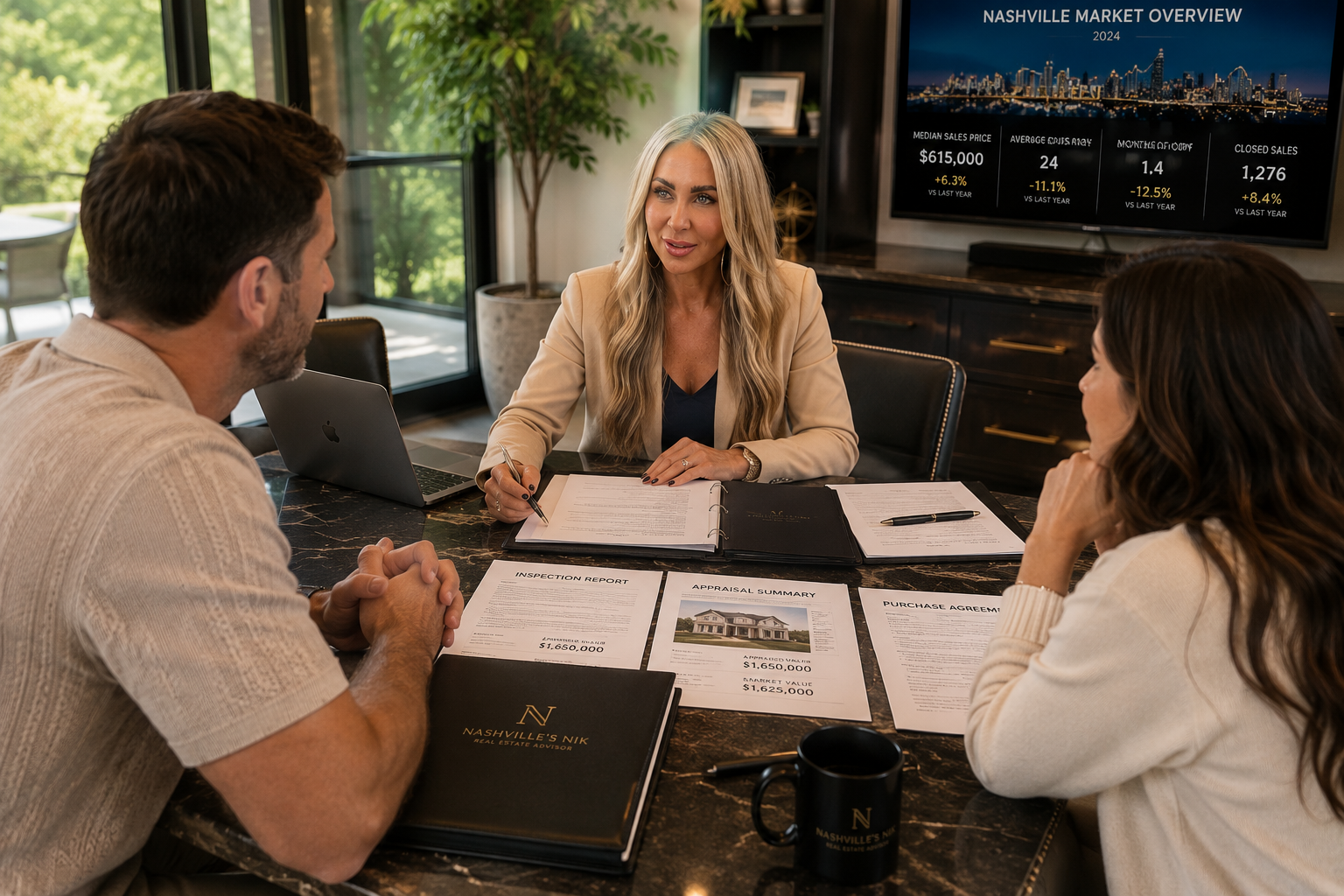
If the buyer is financing the purchase, the lender will typically order an appraisal.
Unlike a home inspection, the appraisal focuses on determining whether the home's value supports the agreed purchase price.
The appraiser reviews:
- Comparable sales
- Square footage
- Condition
- Upgrades
- Lot characteristics
- Neighborhood trends
- Current market conditions
A properly priced home supported by a strong Comparative Market Analysis is more likely to appraise successfully.
If an appraisal issue arises, your REALTOR® can help evaluate the available options and negotiate a path forward.
Step 17: Completing Any Agreed Repairs
If repairs were negotiated after the inspection, they should be completed according to the contract.
Depending on the agreement, this may include:
- Licensed contractors
- Receipts for completed work
- Final inspections
- Buyer verification
Completing repairs promptly helps reduce last-minute surprises before closing.
Step 18: Preparing to Move
As closing approaches, it's time to begin planning your move.
Common tasks include:
- Scheduling movers
- Changing your mailing address
- Transferring utilities
- Notifying service providers
- Packing non-essential items
- Organizing important documents
- Scheduling final cleaning
- Confirming moving dates
Preparing early makes moving day significantly less stressful.
Step 19: The Final Walkthrough
Typically completed within 24 to 48 hours before closing, the buyer's final walkthrough confirms that the home is in substantially the same condition as when it went under contract.
During the walkthrough, buyers generally verify:
- Agreed repairs have been completed
- Appliances remain in place
- Fixtures included in the contract are still present
- No unexpected damage has occurred
- The home has been properly maintained
Most walkthroughs are straightforward when the home has been well cared for throughout the transaction.
Step 20: Closing Day

Closing day marks the completion of the transaction.
Depending on your title company or closing attorney, you'll sign the final documents required to transfer ownership.
Typical closing-day activities include:
- Reviewing settlement documents
- Signing closing paperwork
- Paying any remaining seller expenses
- Receiving proceeds from the sale
- Delivering keys, garage door openers, and access codes
Once funding is complete and the transaction is officially recorded, ownership transfers to the buyer.
Congratulations—you've successfully sold your home.
Common Delays and How to Avoid Them
While many transactions close on schedule, unexpected issues can occasionally arise.
Some of the most common delays include:
- Financing issues
- Low appraisals
- Inspection negotiations
- Title concerns
- Incomplete paperwork
- Repair delays
- Scheduling conflicts
The good news is that many of these challenges can be minimized through preparation, communication, and experienced transaction management.
A REALTOR® who stays ahead of deadlines and coordinates with all parties can often resolve issues before they become major obstacles.
Key Takeaways
Selling a home isn't a single event—it's a series of carefully coordinated steps.
By understanding the process in advance, you'll be better prepared to make informed decisions and avoid unnecessary stress.
Remember:
- Start planning before you list.
- Prepare your home carefully.
- Price strategically using market data.
- Invest in professional marketing.
- Stay flexible during showings.
- Evaluate offers based on more than just price.
- Work closely with your REALTOR® throughout the contract period.
- Complete repairs promptly.
- Stay organized leading up to closing.
- Trust the process.
Every successful sale is built on preparation, communication, and expert guidance.
Ready to Sell Your Home?
Whether you're thinking about selling next month or next year, creating a personalized plan now can help you maximize your home's value and reduce stress throughout the process.
I'd be happy to walk you through every step—from your initial consultation and pricing strategy to professional marketing, negotiations, inspections, and closing day.
If you're considering selling in Nashville, Brentwood, Franklin, Hendersonville, Gallatin, Mount Juliet, Lebanon, College Grove, Nolensville, Spring Hill, White House, Old Hickory Lake, or anywhere in Middle Tennessee, let's build a strategy that's tailored to your goals and timeline.
Related Seller Resources
✓ How Much Is My Nashville Home Worth?
✓ How to Price Your Home to Sell for Top Dollar
✓ The True Cost of Selling a Home in Nashville
✓ When Is the Best Time to Sell a Home in Nashville?
✓ 27 Things Every Nashville Homeowner Should Do Before Listing Their Home
✓ Pre-Listing Repairs That Add Value
✓ 11 Costly Mistakes Nashville Homeowners Make When Selling Their Home
✓ Best Realtor in Nashville: How to Choose the Right Listing Agent
✓ Thinking About Selling Your Nashville Home? Here's Why Hundreds of Homeowners Choose Nashville's Nik
✓ Should You Sell Before Buying Your Next Home?
✓ Downsizing Your Home in Nashville
Contact Nashville's Nik
Nik Shewmaker
REALTOR® | Real Broker
📞 (615) 585-0022
Serving Nashville, Brentwood, Franklin, Hendersonville, Gallatin, Mount Juliet, Lebanon, College Grove, Nolensville, Spring Hill, White House, Old Hickory Lake, and communities throughout Middle Tennessee.
Frequently Asked Questions
1. How long does it take to sell a home in Nashville?
The timeline varies depending on market conditions, pricing, buyer demand, and your home's condition. Most sellers should plan for several weeks of preparation followed by marketing, negotiations, inspections, and closing.
2. What should I do before listing my home?
Start by scheduling a seller consultation with an experienced REALTOR®. Then focus on pricing, decluttering, repairs, deep cleaning, staging, and developing a comprehensive marketing plan.
3. Should I make repairs before selling my home?
Minor repairs and deferred maintenance should usually be completed before listing. Addressing obvious issues can improve buyer confidence and reduce inspection-related negotiations.
4. What happens during a seller consultation?
A seller consultation includes reviewing your goals, evaluating your home's condition, discussing neighborhood market trends, preparing a pricing strategy, estimating selling costs, and creating a customized marketing plan.
5. What is a Comparative Market Analysis (CMA)?
A Comparative Market Analysis compares your home with recently sold, pending, and active properties to determine a competitive listing price based on current market conditions.
6. Why is professional photography so important?
Professional photography creates the first impression for most buyers. High-quality images often generate more online views, additional showings, and stronger buyer interest.
7. Should every home have drone photography and video?
Not every property requires drone photography, but it can be especially valuable for luxury homes, waterfront properties, acreage, golf course homes, and properties with unique surroundings. Professional video also helps buyers experience the home's layout before visiting in person.
8. How should I prepare my home for showings?
Keep your home clean, uncluttered, well-lit, and comfortable. Open blinds, turn on lights, secure valuables, remove pet items, and maintain a welcoming atmosphere before every showing.
9. Are open houses still effective?
Open houses can increase exposure, attract additional buyers, generate valuable feedback, and create urgency—especially during the first weekend after your home is listed.
10. What should I consider when reviewing offers?
Purchase price is only one factor. Sellers should also review financing, contingencies, earnest money, requested repairs, closing dates, seller concessions, and the overall strength of each buyer.
11. What happens after my home goes under contract?
After accepting an offer, the transaction typically moves through inspections, negotiations, appraisal, title work, financing, final walkthrough, and closing before ownership transfers to the buyer.
12. What if the home inspection uncovers problems?
Inspection reports commonly identify maintenance items. Your REALTOR® can help negotiate repairs, credits, or other solutions while working to keep the transaction moving toward closing.
13. What happens if the appraisal comes in lower than the purchase price?
Several options may be available, including renegotiating the purchase price, requesting additional information from the appraiser, or exploring other contract solutions depending on the circumstances.
14. How can I reduce stress during the home selling process?
Planning ahead, preparing your home early, maintaining flexibility, staying organized, and working with an experienced REALTOR® can make the selling process significantly smoother.
15. How can Nashville's Nik help me sell my home?
Nashville's Nik provides homeowners with a personalized selling strategy, professional pricing guidance, staging recommendations, photography, video marketing, negotiation expertise, transaction management, and support from the initial consultation through closing day.
Categories
- All Blogs (344)
- -Brentwood--TN-vs--Franklin--TN---Which-Is-Better-for-You--Nashville-s-Nik-Compares-the-Two (1)
- -Is-Brentwood--TN-a-Good-Place-to-Invest-in-Real-Estate--Nashville-s-Nik-Shares-Market-Insights (1)
- -Is-Brentwood--TN-a-Suburb-of-Nashville--Nashville-s-Nik-Explains-the-Connection (1)
- -Is-Brentwood--TN-Safe--What-You-Should-Know-Before-Moving---with-Nashville-s-Nik (1)
- -Moving-to-Brentwood--TN--Nashville-s-Nik-s-Complete-Relocation-Guide-for-2025 (1)
- -Top-5-Nashville-Suburbs-for-Out-of-State-Buyers (1)
- -What-Are-the-Best-Neighborhoods-in-Brentwood--TN--Nashville-s-Nik-Shares-Local-Favorites (1)
- -What-Jobs-Are-in-Brentwood--TN--Nashville-s-Nik-Breaks-Down-the-Local-Economy (1)
- 10-Mistakes-to-Avoid-When-Buying-a-Home-in-Nashville (1)
- A Local’s Guide to the Best Coffee Shops in Middle Tennessee (1)
- Arrington TN Real Estate (1)
- Best-Nashville-Neighborhoods-for-First-Time-Buyers-in-2025 (1)
- Best-Realtor-in-Nashville---Franklin--What-to-Ask-Before-Hiring-a-Middle-Tennessee-Real-Estate-Agent (1)
- Brentwood (1)
- Brentwood Guide (3)
- Brentwood TN Real Estate (1)
- Can I Sell My Home While in Forbearance in Nashville? (1)
- Can-I-Buy-My-First-Home-in-Nashville-With-Zero-Down- (1)
- College Grove TN Real Estate (1)
- Do-I-Really-Need-a-Buyer-s-Agent-When-Purchasing-in-Nashville- (1)
- First-Time Buyers (1)
- franklin (1)
- Franklin TN Real Estate (1)
- Gallatin Guide (1)
- Gallatin TN Real Estate (1)
- Hendersonville (1)
- Hendersonville Real Estate (2)
- Here are five top events happening in Nashville, Tennessee, in June 2025 (1)
- Home Buying Tips (3)
- Home Preparation (1)
- Home Selling Tips (8)
- Home Values (2)
- How Do I Handle a Low Appraisal When Selling My Home in Nashville? (1)
- How Do I Know If I’m Ready to Sell My Home in Nashville? (1)
- How Do I Sell My Home Quickly in Nashville, TN? (1)
- How Does Nashville’s Healthcare System Compare for Newcomers? (1)
- How Is the Real Estate Market in Brentwood, TN? Nashville’s Nik Gives the 2025 Update (1)
- How Much Do I Really Need for a Down Payment on a Nashville Home? (1)
- How Much Does It Cost to Sell a Home in Brentwood, TN (1)
- How to Improve Your Credit Score Before Buying a Home in Nashville (1)
- How to Maximize Your Profit When You Sell Your Home in Nashville, TN (1)
- How to Sell a Home in a Changing Nashville Real Estate Market (1)
- How to Sell a Home That Needs Repairs in Nashville, TN (1)
- How to Sell a Home With Solar Panels in Nashville (1)
- How to Sell Your Home As-Is in Mount Juliet, TN (1)
- How to Sell Your Home by Owner in Brentwood, TN (1)
- How to Sell Your Home Fast in Hendersonville, TN (1)
- How to Sell Your Home in Arlington, TN (1)
- How to Sell Your Home in Forest Hills, TN: A Smart Seller’s Guide (1)
- How to Sell Your Home in Nashville After a Divorce (1)
- How to Sell Your Home in Nolensville, TN: A Complete Guide (1)
- How to Sell Your Home in Oak Hill, TN: A Step-by-Step Guide (1)
- How to Sell Your Home in Spring Hill, TN: A Complete Guide (1)
- How to Stage a Home for Sale in Nashville, TN (1)
- How-Are-the-Schools-in-Brentwood--TN--Nik-s-Expert-Overview (1)
- How-Do-I-Buy-a-Home-in-Nashville--TN (1)
- How-Do-Nashville-s-Grocery-and-Shopping-Options-Compare-for-Newcomers- (1)
- How-Do-Nashville-s-Job-Opportunities-Compare-for-Relocators- (1)
- How-Do-Nashville-s-Neighborhoods-Differ-for-New-Residents- (1)
- How-Do-Nashville-s-Parks-and-Outdoor-Spaces-Compare-for-Families- (1)
- How-Do-Nashville-s-Taxes-Compare-for-New-Residents- (1)
- How-Do-Nashville-s-Utilities-and-Internet-Compare-for-New-Residents- (1)
- How-Does-Nashville-s-Food-Scene-Compare-for-New-Residents- (1)
- How-Does-Nashville-s-Housing-Market-Compare-for-Relocators- (1)
- How-Does-Nashville-s-Public-Transit-Compare-for-Newcomers- (1)
- How-Does-Nashville-s-School-System-Compare-for-Relocating-Families- (1)
- How-Far-Is-Brentwood--TN-from-Franklin--Nashville-s-Nik-Explains-the-Local-Connection (1)
- How-Far-Is-Brentwood--TN-from-Nashville--Nashville-s-Nik-Explains-the-Commute--Traffic--and-Access (1)
- How-Interest-Rate-Changes-Could-Impact-Your-Nashville-Home-Purchase (1)
- How-Is-Nashville-s-Commute-and-Public-Transportation-for-Newcomers- (1)
- How-Long-Does-It-Take-to-Buy-a-Home-in-Nashville--TN- (1)
- How-Much-Does-It-Really-Cost-to-Relocate-to-Nashville- (1)
- How-Much-House-Can-I-Afford-in-Nashville- (1)
- How-Nashville-s-Growth-Is-Affecting-First-Time-Home-Buyers (1)
- How-to-Avoid-Buyer-s-Remorse-When-Purchasing-a-Home-in-Nashville (1)
- How-to-Avoid-Overpaying-for-a-Home-in-Nashville-s-Popular-Areas (1)
- How-to-Buy-a-Condo-in-Nashville---What-You-Need-to-Know (1)
- How-to-Buy-a-Fixer-Upper-in-Nashville-Without-Breaking-the-Bank (1)
- How-to-Buy-a-Home-in-Nashville-on-a-Tight-Budget---Real-Strategies-That-Work (1)
- How-to-Buy-a-Home-in-Nashville-When-You-re-Relocating-From-Another-State (1)
- How-to-Buy-a-Home-in-Nashville-with-Bad-Credit (1)
- How-to-Buy-a-Home-in-Nashville-Without-Regretting-It-Later (1)
- How-to-Buy-a-Home-in-Nashville-Without-Selling-Your-Current-House-First (1)
- How-to-Buy-Your-First-Home-in-East-Nashville-Without-Getting-Overwhelmed (1)
- How-to-Choose-the-Best-Realtor-in-Brentwood--Tennessee (1)
- How-to-Choose-the-Best-Realtor-in-Franklin--Tennessee (1)
- How-to-Choose-the-Best-Realtor-in-Hendersonville--Tennessee (1)
- How-to-Choose-the-Right-Nashville-Suburb-for-Your-Lifestyle (1)
- How-to-Find-the-Best-Deals-on-Homes-in-Nashville-Right-Now (1)
- How-to-Get-Pre-Approved-for-a-Home-Loan-in-Nashville (1)
- How-to-Negotiate-Repairs-After-a-Home-Inspection-in-Nashville (1)
- How-to-Spot-a-Great-Deal-in-the-Nashville-Housing-Market (1)
- How-to-Win-a-Multiple-Offer-Situation-When-Buying-in-Nashville (1)
- How-to-Work-With-a-Nashville-REALTOR-to-Find-Your-Perfect-Home (1)
- Investing (1)
- Investment Properties (1)
- Is-Brentwood--TN-a-Good-Place-to-Raise-a-Family--Nashville-s-Nik-Shares-Why-Parents-Love-It-Here (1)
- Is-Brentwood--TN-a-Good-Place-to-Retire--Nashville-s-Nik-Shares-Why-It-s-Ideal-for-Active-Adults (1)
- Is-Brentwood--TN-Expensive--Nashville-s-Nik-Breaks-Down-the-Real-Costs-of-Living-Well (1)
- Is-It-Smarter-to-Buy-a-Home-in-Nashville-Before-Interest-Rates-Drop-Again- (1)
- Is-Nashville-a-Good-Place-to-Retire- (1)
- Is-Now-a-Good-Time-to-Buy-a-Home-in-Nashville-With-Today-s-Interest-Rates- (1)
- Is-Relocating-to-Nashville-a-Good-Idea-in-2025- (1)
- Lakefront Living (2)
- Lebanon TN Real Estate (1)
- Listing Agent (1)
- Luxury Homes (3)
- Luxury Real Estate (1)
- Market Updates (1)
- Middle Tennessee Real Estate (1)
- Mount Juliet Guide (4)
- Mount Juliet TN Real Estate (1)
- Moving-from-New-York-to-Tennessee--Here-s-What-You-Should-Know--From-a-Nashville-Relocation-Specialist- (1)
- Murfreesboro Guide (1)
- Murfreesboro TN Real Estate (1)
- Nashville (1)
- Nashville Guide (3)
- Nashville Neighborhoods (1)
- Nashville Real Estate (6)
- Nashville Real Estate Market (2)
- Nashville TN Real Estate (1)
- Nashville’s Musical Roots: Museums, Hidden Gems, and a DIY Walking Tour (1)
- Neighborhood Guides (1)
- New Construction (2)
- Nolensville TN Real Estate (1)
- Pet-Friendly Spots in Middle Tennessee: Parks, Patios, and More (1)
- Real Estate Advice (1)
- Real Estate Tips (1)
- Relocation Guide (1)
- Relocation to Nashville (1)
- Seasonal Home Maintenance Tips for Middle Tennessee Homeowners (1)
- Seller Resources (12)
- Selling Your Home (1)
- Should I Sell My Home Now or Wait in Nashville, TN? (1)
- Should I Sell My Home or Rent It Out in Nashville, TN? (1)
- Should-I-Rent-or-Buy-a-Home-in-Nashville-Right-Now----Expert-Advice-From-Nik-Shewmaker-REALTOR (1)
- Should-I-Use-a-Local-Nashville-Lender-or-a-Big-Bank-to-Buy-My-Home- (1)
- Spring Hill TN Real Estate (1)
- The Titans of Nashville: Exploring the Largest Companies Shaping Music City (1)
- The-Ultimate-Nashville-Home-Buyer-s-Checklist-for-2025 (1)
- Things I Love About Providence Marketplace in Mount Juliet (1)
- Thompson’s Station TN Real (1)
- Top 3 State Parks in Middle Ten (1)
- Top 5 Can’t-Miss Family-Friendly Festivals in Nashville, Tennessee – June 2025 (1)
- Top Lakes in Middle Tennessee for Boating, Fishing, and Swimming Nik S (1)
- Top Things to Do in Mount Juliet, Tennessee: A Local’s Guide to Fun and Adventure (1)
- Top Upscale Restaurants in Brentwood, Tennessee (1)
- What Are the Pros and Cons of Selling a Home Without a Realtor in Nashville, TN? (1)
- What Happens After You Accept an Offer on Your Home in Nashville, TN? (1)
- What Happens After You Sell Your Home in Nashville, TN? (1)
- What Is the First Step in Selling Your Home in Nashville, TN? (1)
- What Paperwork Do I Need to Sell My Home in Nashville? (1)
- What to Do Before You Sell Your Home in Nashville, TN (1)
- What to Expect When You Sell Your Home in Nashville, TN (1)
- What-Are-Closing-Costs-When-Buying-a-Home-in-Nashville--TN- (1)
- What-Are-the-Best-First-Time-Buyer-Loan-Programs-in-Tennessee- (1)
- What-Are-the-Safest-Neighborhoods-in-Nashville-for-New-Residents- (1)
- What-Credit-Score-Do-You-Need-to-Buy-a-Home-in-Nashville--TN- (1)
- What-I-Wish-I-Knew-Before-Buying-My-First-Home-in-Nashville (1)
- What-Is-the-Average-Home-Price-in-Brentwood--TN--Nashville-s-Nik-Breaks-Down-the-Market (1)
- What-Is-the-Average-Mortgage-Payment-for-a-Home-in-Nashville-in-2025- (1)
- What-Is-the-Easiest-Way-to-Buy-a-House-in-Nashville-in-Today-s-Market- (1)
- What-Jobs-Are-Bringing-People-to-Nashville- (1)
- What-s-It-Like-Living-in-Brentwood--TN--Nashville-s-Nik-Shares-a-Local-s-Honest-Take (1)
- What-s-the-Best-Time-of-Year-to-Relocate-to-Nashville- (1)
- What-s-the-Weather-Like-in-Brentwood--TN--Nashville-s-Nik-Shares-What-to-Expect-Year-Round (1)
- What-Should-I-Know-About-Nashville-s-Weather-Before-Relocating- (1)
- What-to-Know-About-Homeowners-Insurance-When-Buying-in-Nashville (1)
- When to Sell Your Home in Franklin, TN (1)
- Why Are Homes in Nashville Not Selling Like They Used To? (1)
- Why-Are-So-Many-People-Moving-to-Brentwood--TN--Nashville-s-Nik-Explains-the-Surge (1)
- Why-So-Many-New-Yorkers-Are-Moving-to-Tennessee (1)
- Why-Waiting-to-Buy-a-Home-in-Nashville-Could-Cost-You-More (1)
- Why-Working-With-a-Local-Expert-Like-Nik-Shewmaker-REALTOR-Can-Save-You-Thousands (1)
- Why-You-Shouldn-t-Skip-the-Home-Inspection-When-Buying-in-Nashville (1)
Recent Posts