What Repairs Should You Make Before Selling Your Home?

Should You Repair Everything Before Selling?
If you're getting ready to sell your home, you've probably wondered:
"Should I fix everything before putting my house on the market?"
The answer surprises many homeowners.
No.
In most cases, you should not repair everything.
Some improvements can dramatically increase buyer interest and even help you receive stronger offers.
Others can cost thousands of dollars while adding very little value.
The key is knowing where to invest your money—and where to save it.
Whether you're selling a home in Nashville, Brentwood, Franklin, Hendersonville, Gallatin, Mount Juliet, Lebanon, College Grove, Green Hills, Forest Hills, or another Middle Tennessee community, this guide will help you determine which repairs are worth making before listing your home.
Key Takeaways
- Not every repair provides a positive return on investment.
- Buyers notice cleanliness, maintenance, and first impressions more than expensive remodels.
- Small cosmetic improvements often deliver the highest return.
- Major structural issues should rarely be ignored.
- Professional guidance can prevent unnecessary spending.
- A pre-listing consultation helps prioritize repairs based on today's local market.
- The goal isn't creating a brand-new house—it's presenting a well-maintained, move-in-ready home.
Contact Nashville's Nik
Whether you're selling in Nashville, Brentwood, Franklin, Hendersonville, Gallatin, Mount Juliet, Lebanon, College Grove, White House, Green Hills, Forest Hills, Old Hickory Lake, or anywhere throughout Middle Tennessee, I'd be honored to help you prepare your home for the market and position it for success.
Nashville's Nik
Nik Shewmaker | REALTOR® | Real Broker
📞 (615) 585-0022
If you're wondering which repairs are truly worth making before selling, let's schedule a consultation. Together, we'll create a plan that helps you invest wisely, attract more buyers, and maximize your home's value.
The Biggest Mistake Sellers Make
One of the most expensive mistakes homeowners make is assuming they need to completely renovate before selling.
I've seen homeowners spend:
- $40,000 remodeling a kitchen.
- $20,000 replacing perfectly functional flooring.
- $15,000 remodeling bathrooms.
Only to recover a fraction of those costs during the sale.
Meanwhile, another homeowner spends:
- $1,500 on paint.
- $700 on landscaping.
- $500 on lighting.
- $300 on professional cleaning.
…and attracts multiple offers during the first weekend.
The difference isn't always how much money was spent.
It's where the money was spent.
Think Like a Buyer
When buyers walk through your home, they're asking themselves one question:
"Can I picture myself living here?"
They're usually not creating a list of every tiny imperfection.
Instead, they're forming an emotional first impression.
- Cleanliness
- Bright rooms
- Fresh paint
- Updated lighting
- Attractive landscaping
- Spaciousness
- Good maintenance
They also notice warning signs.
Things like:
- Water stains
- Strong odors
- Dirty carpet
- Broken fixtures
- Peeling paint
- Cracked windows
- Obvious deferred maintenance
Your goal is to eliminate distractions so buyers can focus on the home—not its problems.
Repairs vs. Improvements
These terms are often confused.
They're actually very different.
Repairs
Repairs return something to proper working condition.
Examples include:
- Fixing a leaking faucet.
- Repairing drywall.
- Replacing broken windows.
- Repairing HVAC systems.
- Fixing electrical outlets.
Improvements
Improvements upgrade something that already works.
Examples include:
- Remodeling a kitchen.
- Installing luxury countertops.
- Adding custom cabinets.
- Upgrading appliances.
- Renovating bathrooms.
Understanding the difference helps homeowners spend wisely.
Which Repairs Are Almost Always Worth It?
There are several improvements that consistently provide excellent value.
Fresh Interior Paint
Fresh paint is one of the highest-return investments before listing.
Neutral colors help buyers imagine their own furniture and décor.
Popular choices include:
- Warm whites
- Soft greige
- Light beige
- Pale gray
Avoid:
- Bright reds
- Dark greens
- Bold accent walls
- Highly personalized colors
Fresh paint makes homes feel:
- Cleaner
- Larger
- Brighter
- Better maintained
Professional Cleaning
You'd be surprised how much difference a deep cleaning makes.
Focus on:
- Windows
- Baseboards
- Ceiling fans
- Kitchens
- Bathrooms
- Grout
- Appliances
- Light fixtures
A sparkling clean home photographs better and creates a stronger first impression.
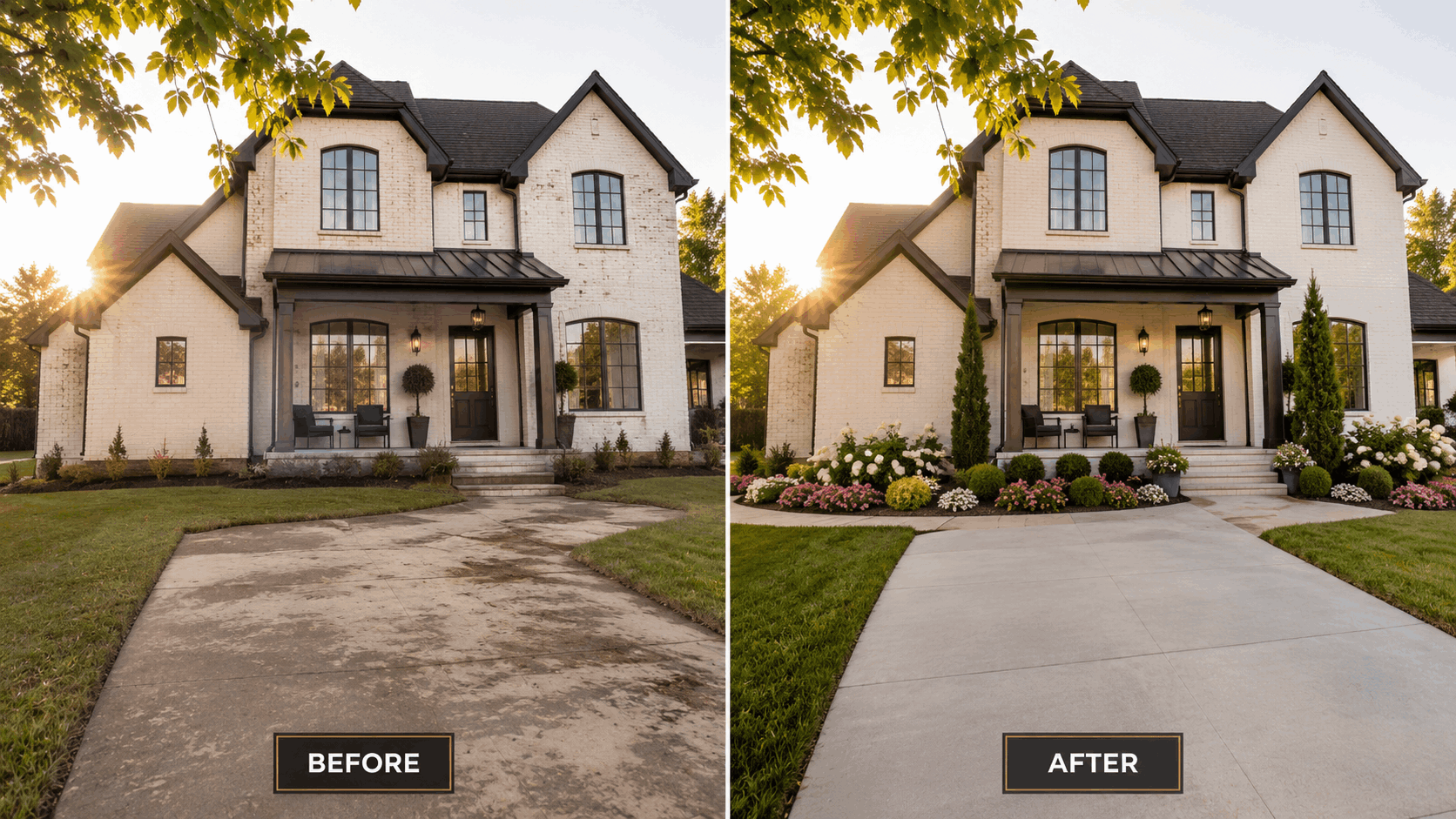
Landscaping
Many buyers decide how they feel about a home before they even step inside.
Simple improvements include:
- Fresh mulch
- Trimmed shrubs
- Mowed lawn
- Seasonal flowers
- Pressure washing
- Weed removal
These projects often cost very little compared to their impact.
Small Repairs That Make a Big Difference
Many inexpensive repairs communicate that the home has been well maintained.
Examples include:
- Tightening loose door handles.
- Replacing burnt-out light bulbs.
- Fixing squeaky doors.
- Repairing loose cabinet hardware.
- Caulking tubs and showers.
- Replacing cracked outlet covers.
- Repairing damaged screens.
- Fixing dripping faucets.
None of these projects are particularly expensive.
Together, however, they create a much stronger impression.
What Buyers Expect to Be Working
Buyers generally expect major systems to function properly.
These include:
- HVAC
- Plumbing
- Electrical
- Water heater
- Garage doors
- Appliances included with the sale
- Smoke detectors
- Carbon monoxide detectors
If something is obviously broken, buyers often assume other maintenance has also been neglected.
Should You Replace Carpet?
It depends.
If the carpet is:
- Worn
- Torn
- Stained
- Heavily worn by pets
Replacement is often worthwhile.
However, if it's simply outdated but clean, replacement may not provide enough return to justify the expense.
Sometimes professional carpet cleaning is all that's needed.
Should You Refinish Hardwood Floors?
Hardwood remains extremely popular with buyers.
If your floors have:
- Light scratches
- Dull finish
- Minor wear
Refinishing may significantly improve buyer appeal.
If they're already in good condition, a professional cleaning and polish may be enough.
Kitchen Repairs That Matter
The kitchen remains one of the most important rooms for buyers.
Fortunately, a complete remodel is rarely necessary before selling.
Instead, focus on updates that create a fresh, well-maintained appearance.
High-impact improvements include:
- Fresh cabinet paint.
- New cabinet hardware.
- Updated light fixtures.
- Fresh caulk.
- Professional cleaning.
- Replacing broken appliances if necessary.
These projects often provide far better value than a complete renovation.
Nik's Pro Tip
One of the biggest mistakes I see is homeowners remodeling their kitchen based on their personal taste instead of what today's buyers actually want.
Before investing thousands of dollars, schedule a pre-listing consultation. Sometimes a few strategic updates can create nearly the same visual impact as a full renovation for a fraction of the cost.
Bathroom Updates That Buyers Notice
Bathrooms don't have to feel brand new.
They simply need to feel:
- Clean
- Bright
- Functional
- Well maintained
Simple improvements often include:
- New mirrors.
- Updated lighting.
- Fresh paint.
- New faucets.
- Re-caulking showers.
- Replacing worn towel bars.
These relatively inexpensive projects can dramatically improve buyer perception.

Major Repairs That Can Affect Your Sale
While many cosmetic improvements are optional, certain issues can significantly impact your home's value, buyer confidence, and the likelihood of reaching the closing table.
Ignoring these problems may lead to:
- Lower offers
- Lengthier negotiations
- Buyer financing issues
- Inspection concerns
- Appraisal challenges
- Lost contracts
The good news?
Not every major issue requires a full replacement.
Sometimes targeted repairs are all that's necessary.
Roof Repairs
The roof is one of the first things buyers notice.
It also receives close attention from:
- Home inspectors
- Appraisers
- Insurance companies
If your roof has:
- Missing shingles
- Active leaks
- Sagging areas
- Visible storm damage
- Moss or algae growth
Addressing those concerns before listing can help prevent surprises during the inspection.
Should You Replace the Entire Roof?
Not always.
If the roof is nearing the end of its life but still functional, replacing it may not provide a full return on investment.
Instead, consider:
- Professional inspection
- Minor repairs
- Replacing damaged shingles
- Cleaning debris
- Providing documentation of maintenance
A roofing contractor can help determine whether repairs are sufficient.
Foundation Issues
Foundation concerns can make buyers nervous.
Common warning signs include:
- Large wall cracks
- Uneven floors
- Doors that won't close properly
- Cracked brick
- Stair-step mortar cracks
However, not every crack indicates a structural problem.
Hairline drywall cracks are common in many homes.
If you're unsure, consult a structural engineer before assuming the worst.
Professional documentation often reassures buyers more than guessing.
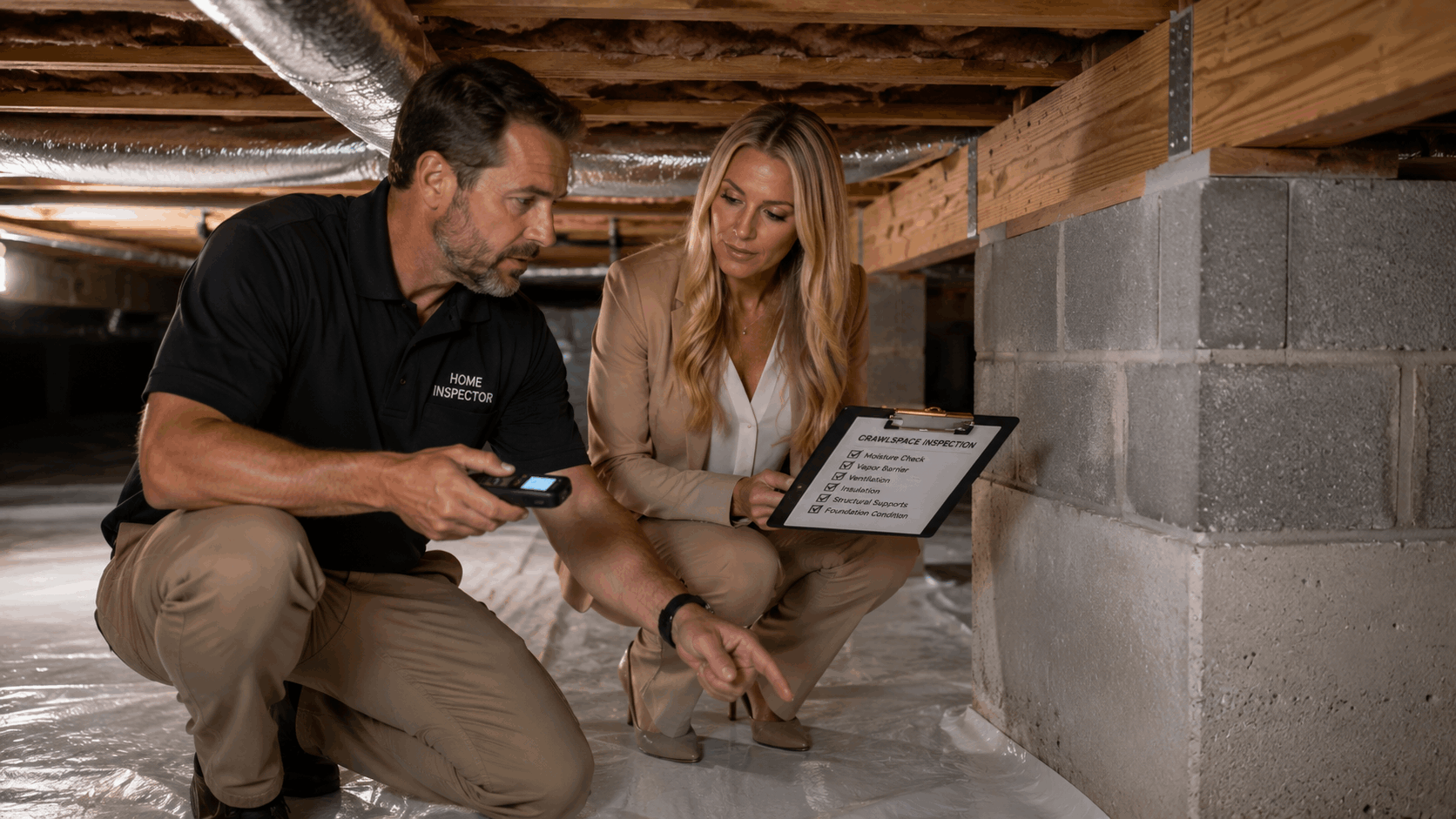
Crawlspace Repairs
Many Middle Tennessee homes have crawlspaces.
During inspections, buyers often discover issues such as:
- Standing water
- High humidity
- Missing vapor barriers
- Wood rot
- Mold
- Inadequate insulation
Fortunately, many crawlspace concerns can be corrected without major expense.
Proper maintenance demonstrates responsible homeownership.
HVAC Systems
Heating and cooling systems are among the most important components buyers evaluate.
If your HVAC system works properly, consider:
- Changing filters.
- Professional servicing.
- Cleaning vents.
- Providing maintenance records.
If the system has recurring problems, addressing them before listing often prevents larger negotiations later.
Water Damage
Few things concern buyers more than evidence of water intrusion.
Common warning signs include:
- Ceiling stains
- Soft flooring
- Mold
- Musty odors
- Damaged drywall
- Active leaks
It's important to identify and repair the source—not simply repaint over the stain.
Buyers and inspectors are usually quick to recognize cosmetic cover-ups.
Plumbing Repairs
Small plumbing issues often create larger concerns in buyers' minds.
Repair items such as:
- Dripping faucets
- Running toilets
- Slow drains
- Loose fixtures
- Leaking supply lines
- Low water pressure
These inexpensive repairs help demonstrate that the home has been properly maintained.
Electrical Repairs
Electrical issues frequently appear on inspection reports.
Common items include:
- GFCI outlets
- Loose switches
- Missing outlet covers
- Non-functioning outlets
- Exposed wiring
- Improper junction boxes
Many of these repairs are relatively inexpensive and improve both safety and buyer confidence.
Windows and Doors
Windows and doors affect both appearance and functionality.
Repair or replace:
- Broken glass
- Torn screens
- Windows that won't open
- Doors that stick
- Damaged weather stripping
- Broken locks
Buyers appreciate homes that feel solid and well maintained.
Garage Doors
Garage doors receive daily use but are often overlooked.
Simple improvements include:
- Lubricating rollers
- Adjusting tracks
- Replacing damaged weather seals
- Painting faded doors
- Repairing openers
A properly functioning garage door creates a positive first impression.
Repairs That Usually Are NOT Worth the Money
Many homeowners spend thousands of dollars on projects that buyers don't fully appreciate.
Here are several improvements that often provide limited return.
Complete Kitchen Remodels
Unless your kitchen is severely outdated or damaged, a complete renovation before selling is rarely necessary.
Instead, consider:
- Cabinet hardware
- Paint
- Lighting
- Fixtures
- Deep cleaning
These updates often provide much of the visual impact at a fraction of the cost.
Luxury Bathroom Remodels
Buyers appreciate updated bathrooms.
However, spending tens of thousands on high-end finishes often produces diminishing returns.
Simple improvements usually create a better financial outcome.
Custom Built-Ins
Highly customized features don't appeal to every buyer.
Examples include:
- Oversized entertainment centers
- Specialized shelving
- Custom hobby rooms
- Personalized office layouts
Neutral spaces generally attract a broader audience.
Swimming Pools
Pools can be wonderful amenities.
However, installing a new pool immediately before selling rarely increases value enough to recover its cost.
High-End Landscaping Projects
Basic landscaping almost always helps.
Luxury landscaping projects, however, may not provide the same return.
Focus on:
- Healthy grass
- Trimmed shrubs
- Fresh mulch
- Clean flower beds
Rather than elaborate outdoor renovations.

Should You Have a Pre-Listing Inspection?
Many homeowners wait until the buyer's inspection.
Some choose to schedule their own inspection before listing.
Advantages include:
- Identifying problems early.
- Completing repairs on your schedule.
- Reducing surprises.
- Increasing buyer confidence.
- Creating smoother negotiations.
While not necessary for every home, pre-listing inspections can be especially helpful for:
- Older homes.
- Luxury properties.
- Estate sales.
- Homes with deferred maintenance.
Repair Credits vs. Completing Repairs
Sometimes it's better to offer buyers a repair credit instead of completing the work yourself.
This can make sense when:
- The buyer wants to choose materials.
- Repairs require specialized contractors.
- Time is limited.
- Closing deadlines are approaching.
Your REALTOR® can help determine which option makes the most financial sense.
Cost vs. Return on Investment
Before spending money, ask yourself three questions.
Will buyers notice it?
Visible improvements usually provide greater impact.
Will it help inspections?
Repairing major mechanical or structural issues often prevents negotiations later.
Will I likely recover the investment?
Some projects provide excellent returns.
Others are better enjoyed while you're still living in the home.
Nik's Pro Tip
Before hiring contractors, create a prioritized repair list.
Start with health and safety concerns, then move to major mechanical systems, followed by cosmetic improvements. This approach helps you invest where buyers are most likely to notice—and where you're most likely to see a return on your investment.
A Room-by-Room Repair Checklist
Before completing these repairs, it's helpful to understand how long the selling process typically takes so you can prioritize projects and create a realistic timeline.
One of the easiest ways to prepare your home is to evaluate it one room at a time. This helps you prioritize repairs and avoid feeling overwhelmed.
Exterior
The exterior creates your buyer's first impression.
Consider:
- Pressure washing siding and brick
- Cleaning gutters
- Repairing loose trim
- Touching up peeling paint
- Replacing damaged shutters
- Washing windows
- Cleaning exterior light fixtures
- Repairing cracked walkways
- Painting the front door if needed
- Replacing worn welcome mats
Front Yard
Simple landscaping improvements can dramatically improve curb appeal.
Focus on:
- Fresh mulch
- Mowed lawn
- Trimmed bushes
- Weed removal
- Seasonal flowers
- Edged landscaping beds
- Pruned trees
- Clean driveway
- Pressure-washed sidewalks
Living Room
Buyers appreciate bright, inviting spaces.
Checklist:
- Replace burned-out bulbs.
- Repair drywall.
- Touch up paint.
- Clean ceiling fans.
- Shampoo carpets.
- Polish hardwood floors.
- Remove excess furniture.
- Repair loose trim.
Kitchen
The kitchen doesn't need to be brand new.
It needs to feel clean and cared for.
Checklist:
- Clean cabinets inside and out.
- Repair loose hinges.
- Replace outdated hardware.
- Re-caulk countertops.
- Clean grout.
- Service appliances.
- Replace burned-out lights.
- Organize the pantry.
Bathrooms
Bathrooms should feel fresh and hygienic.
Checklist:
- Re-caulk tubs and showers.
- Repair dripping faucets.
- Replace worn toilet seats.
- Polish mirrors.
- Deep clean tile and grout.
- Update light fixtures if necessary.
- Repair loose towel bars.
- Replace damaged exhaust fan covers.
Bedrooms
Keep bedrooms neutral and spacious.
Checklist:
- Patch nail holes.
- Fresh paint if needed.
- Clean windows.
- Organize closets.
- Replace broken blinds.
- Repair damaged doors.
Garage
Many buyers pay close attention to garage storage.
Checklist:
- Organize shelves.
- Remove clutter.
- Sweep floors.
- Repair garage door opener.
- Lubricate hinges.
- Replace broken lights.
Crawlspace
Especially important throughout Middle Tennessee.
Checklist:
- Install or repair vapor barrier.
- Address standing water.
- Repair damaged insulation.
- Remove debris.
- Correct moisture issues.

Budget-Friendly Improvements That Deliver Big Results
Many homeowners assume they need a large renovation budget before selling.
Fortunately, that's rarely true.
Here are several affordable improvements that often make a noticeable difference.
| Improvement | Typical Cost | Buyer Impact |
|---|---|---|
| Fresh interior paint | $$ | Excellent |
| Professional cleaning | $ | Excellent |
| Pressure washing | $ | Excellent |
| Fresh mulch | $ | Excellent |
| Updated cabinet hardware | $ | Very Good |
| New light fixtures | $$ | Very Good |
| Carpet cleaning | $ | Very Good |
| Landscaping | $$ | Excellent |
| Touch-up paint | $ | Very Good |
| Professional window cleaning | $ | Very Good |
Repairs for Luxury Homes
Repair priorities can vary depending on where your home is located. Buyer expectations in Brentwood, Franklin, Green Hills, Belle Meade, Forest Hills, College Grove, Hendersonville, Gallatin, Mount Juliet, Lebanon, and other Middle Tennessee communities are not always the same. During a pre-listing consultation, Nashville's Nik provides neighborhood-specific recommendations so you can focus your repair budget where it's most likely to improve buyer appeal and return on investment.
Luxury buyers generally have higher expectations.
If you're selling in communities such as:
- Belle Meade
- Green Hills
- Forest Hills
- Brentwood
- Franklin
- College Grove
- Governors Club
- LaurelBrooke
- Annandale
- The Grove
buyers may pay closer attention to details.
Luxury homeowners should consider:
- Professional window cleaning.
- Landscape refresh.
- Driveway cleaning.
- Roof inspection.
- HVAC servicing.
- High-end staging.
- Designer lighting updates.
- Exterior paint touch-ups.
- Smart home functionality.
- Premium photography and cinematic video.
Presentation often matters just as much as square footage.
Repairs That Can Wait Until After Closing
Not every improvement needs to happen before listing.
Examples include:
- Personal decorating projects.
- Specialty built-ins.
- Extensive backyard renovations.
- Luxury outdoor kitchens.
- Whole-home remodels.
- Major additions.
Unless these items address a significant functional issue, they often provide limited return when completed immediately before selling.
Common Repair Mistakes Homeowners Make
Even well-intentioned sellers sometimes spend money in the wrong places.
Avoid these common mistakes.
Remodeling Instead of Refreshing
Many buyers simply want a clean, well-maintained home.
They don't necessarily expect every room to be completely remodeled.
Choosing Trendy Finishes
Highly personalized colors and finishes can quickly become dated.
Neutral selections generally appeal to more buyers.
Ignoring Maintenance Items
Deferred maintenance often concerns buyers more than outdated finishes.
A functioning HVAC system is usually more important than luxury countertops.
Forgetting Curb Appeal
Many buyers form opinions before they even step inside.
A neglected exterior can reduce excitement before the showing begins.
Spending Without a Plan
One of the biggest mistakes is completing projects without understanding their likely return on investment.
A pre-listing consultation can help prioritize the repairs that matter most.
Nik's Pro Tip
If you have a limited repair budget, focus on the projects buyers see first.
I typically recommend investing in cleanliness, paint, landscaping, lighting, and minor repairs before spending money on major cosmetic renovations. These improvements usually provide the greatest impact for the lowest cost and help create an excellent first impression both online and in person.
Should You Sell As-Is?
Some homeowners wonder whether they should simply sell their home "as-is."
In certain situations, selling as-is can make sense, such as:
- Estate sales
- Significant deferred maintenance
- Investment properties
- Major renovation projects
- Time-sensitive relocations
However, even when selling as-is, basic preparation like cleaning, decluttering, and improving curb appeal can make the home more appealing and help maximize buyer interest.
How I Help Homeowners Decide What to Repair
Every home is different, and every seller has a different budget and timeline.
During a pre-listing consultation, I'll help you determine:
- Which repairs are likely to increase buyer appeal.
- Which projects offer the best return on investment.
- Which repairs can probably wait.
- Whether a pre-listing inspection makes sense.
- How today's local market affects your strategy.
- What buyers in your neighborhood are expecting.
The goal isn't to spend the most money.
The goal is to make smart improvements that help you sell with confidence and maximize your results.
Key Takeaways
- Not every repair is worth making before selling.
- Focus first on maintenance, cleanliness, and curb appeal.
- Fresh paint, landscaping, lighting, and minor repairs often deliver excellent returns.
- Address major mechanical, structural, and safety issues whenever possible.
- Expensive remodels are rarely necessary immediately before listing.
- Luxury homes often benefit from additional preparation and presentation.
Call to Action
If you're preparing to sell your home, don't guess which repairs are worth your time and money.
A pre-listing consultation can help you prioritize improvements, avoid unnecessary expenses, and create a strategy tailored to your home, your budget, and today's Nashville-area market.
I'd be happy to walk through your property with you, identify the repairs that are most likely to make a difference, and help you prepare your home for a successful sale.
Contact Nashville's Nik
Whether you're selling in Nashville, Brentwood, Franklin, Hendersonville, Gallatin, Mount Juliet, Lebanon, College Grove, White House, Green Hills, Forest Hills, Old Hickory Lake, or anywhere throughout Middle Tennessee, I'd be honored to help you prepare your home for the market and position it for success.
Related Seller Resources
✓ 27 Things Every Nashville Homeowner Should Do Before Listing Their Home
✓ How to Sell Your Nashville Home for the Highest Possible Price
✓ How Much Is My Nashville Home Worth?
✓ How to Price Your Home to Sell for Top Dollar
✓ The Complete Nashville Home Selling Timeline
✓ How Long Does It Really Take to Sell a Home?
✓ The True Cost of Selling a Home in Nashville
✓ 11 Costly Mistakes Nashville Homeowners Make When Selling Their Home
✓ Best Realtor in Nashville: How to Choose the Right Listing Agent
✓ Should You Sell Before Buying Your Next Home?
✓ Downsizing Your Home in Nashville
✓ Thinking About Selling Your Nashville Home? Here's Why Hundreds of Homeowners Choose Nashville's Nik
Nashville's Nik
Nik Shewmaker | REALTOR® | Real Broker
📞 (615) 585-0022
If you're wondering which repairs are truly worth making before selling, let's schedule a consultation. Together, we'll create a plan that helps you invest wisely, attract more buyers, and maximize your home's value.
FAQs
1. What repairs should I make before selling my house?
Focus on repairs that improve buyer confidence and first impressions, such as fixing leaks, repairing damaged drywall, touching up paint, servicing your HVAC system, improving curb appeal, and addressing obvious maintenance issues. These improvements often provide the best return on investment.
2. Should I remodel my kitchen before selling?
Usually not. A complete kitchen remodel rarely returns its full cost before selling. Instead, consider affordable updates like painting cabinets, replacing hardware, updating light fixtures, and giving the kitchen a thorough professional cleaning.
3. Is it worth painting my home before listing it?
Yes. Fresh, neutral paint is one of the most cost-effective improvements you can make. It helps your home feel cleaner, brighter, and more move-in ready while appealing to a wider range of buyers.
4. What repairs do buyers notice the most?
Buyers typically notice peeling paint, damaged flooring, outdated lighting, plumbing leaks, roof problems, poor landscaping, dirty interiors, and signs of deferred maintenance. Addressing these issues can improve your home's overall appeal.
5. Should I replace old carpet before selling?
If the carpet is stained, heavily worn, torn, or has pet odors, replacement may be worthwhile. If it's simply older but still in good condition, professional carpet cleaning is often a more cost-effective solution.
6. Should I fix roof problems before selling my home?
Minor roof repairs are generally recommended because roofing issues often appear during the buyer's inspection and can lead to negotiations. A professional roofing inspection can help determine whether repairs are sufficient or if replacement should be considered.
7. Is a pre-listing home inspection worth it?
For many homeowners, yes. A pre-listing inspection can identify issues before buyers discover them, giving you time to complete repairs, reduce surprises during negotiations, and create a smoother transaction.
8. Should I repair foundation or crawlspace issues before listing?
If there are known structural or moisture-related concerns, it's often beneficial to address them before listing. Buyers and inspectors pay close attention to these areas, and professional documentation of repairs can increase buyer confidence.
9. What home improvements usually provide the best return on investment?
Some of the highest-return improvements include fresh paint, landscaping, pressure washing, professional cleaning, updated lighting, minor repairs, fresh mulch, and improving curb appeal. These projects often provide greater value than expensive remodels.
10. Should I replace my HVAC system before selling?
Not necessarily. If your HVAC system is functioning properly, a professional service and maintenance records may be all that's needed. If the system has significant problems, repairing it before listing can help avoid inspection issues and buyer concerns.
11. What repairs are usually not worth the money before selling?
Complete kitchen remodels, luxury bathroom renovations, custom built-ins, installing a new swimming pool, and expensive landscaping projects often don't provide enough return on investment immediately before selling.
12. Should I sell my house as-is or make repairs first?
That depends on your goals, budget, and timeline. Selling as-is may make sense for estate sales, investment properties, or homes needing significant work. However, even when selling as-is, basic cleaning, decluttering, and minor maintenance can improve buyer interest.
13. How important is curb appeal when selling a home?
Curb appeal is extremely important because it creates the buyer's first impression. Simple improvements like mowing the lawn, trimming shrubs, adding fresh mulch, pressure washing, and painting the front door can make a significant difference.
14. How do I know which repairs are worth making before listing?
A pre-listing consultation with an experienced REALTOR® can help prioritize repairs based on your home's condition, neighborhood expectations, current market conditions, and potential return on investment.
15. Can making the right repairs help my home sell faster?
Yes. Homes that appear clean, well-maintained, and move-in ready often attract more buyers, receive stronger offers, spend fewer days on the market, and experience fewer issues during inspections and negotiations.
Categories
- All Blogs (347)
- -Brentwood--TN-vs--Franklin--TN---Which-Is-Better-for-You--Nashville-s-Nik-Compares-the-Two (1)
- -Is-Brentwood--TN-a-Good-Place-to-Invest-in-Real-Estate--Nashville-s-Nik-Shares-Market-Insights (1)
- -Is-Brentwood--TN-a-Suburb-of-Nashville--Nashville-s-Nik-Explains-the-Connection (1)
- -Is-Brentwood--TN-Safe--What-You-Should-Know-Before-Moving---with-Nashville-s-Nik (1)
- -Moving-to-Brentwood--TN--Nashville-s-Nik-s-Complete-Relocation-Guide-for-2025 (1)
- -Top-5-Nashville-Suburbs-for-Out-of-State-Buyers (1)
- -What-Are-the-Best-Neighborhoods-in-Brentwood--TN--Nashville-s-Nik-Shares-Local-Favorites (1)
- -What-Jobs-Are-in-Brentwood--TN--Nashville-s-Nik-Breaks-Down-the-Local-Economy (1)
- 10-Mistakes-to-Avoid-When-Buying-a-Home-in-Nashville (1)
- A Local’s Guide to the Best Coffee Shops in Middle Tennessee (1)
- Arrington TN Real Estate (1)
- Best-Nashville-Neighborhoods-for-First-Time-Buyers-in-2025 (1)
- Best-Realtor-in-Nashville---Franklin--What-to-Ask-Before-Hiring-a-Middle-Tennessee-Real-Estate-Agent (1)
- Brentwood (1)
- Brentwood Guide (3)
- Brentwood TN Real Estate (1)
- Can I Sell My Home While in Forbearance in Nashville? (1)
- Can-I-Buy-My-First-Home-in-Nashville-With-Zero-Down- (1)
- College Grove TN Real Estate (1)
- Do-I-Really-Need-a-Buyer-s-Agent-When-Purchasing-in-Nashville- (1)
- First-Time Buyers (1)
- franklin (1)
- Franklin TN Real Estate (1)
- Gallatin Guide (1)
- Gallatin TN Real Estate (1)
- Hendersonville (1)
- Hendersonville Real Estate (2)
- Here are five top events happening in Nashville, Tennessee, in June 2025 (1)
- Home Buying Tips (3)
- Home Preparation (1)
- Home Selling Tips (8)
- Home Values (2)
- How Do I Handle a Low Appraisal When Selling My Home in Nashville? (1)
- How Do I Know If I’m Ready to Sell My Home in Nashville? (1)
- How Do I Sell My Home Quickly in Nashville, TN? (1)
- How Does Nashville’s Healthcare System Compare for Newcomers? (1)
- How Is the Real Estate Market in Brentwood, TN? Nashville’s Nik Gives the 2025 Update (1)
- How Much Do I Really Need for a Down Payment on a Nashville Home? (1)
- How Much Does It Cost to Sell a Home in Brentwood, TN (1)
- How to Improve Your Credit Score Before Buying a Home in Nashville (1)
- How to Maximize Your Profit When You Sell Your Home in Nashville, TN (1)
- How to Sell a Home in a Changing Nashville Real Estate Market (1)
- How to Sell a Home That Needs Repairs in Nashville, TN (1)
- How to Sell a Home With Solar Panels in Nashville (1)
- How to Sell Your Home As-Is in Mount Juliet, TN (1)
- How to Sell Your Home by Owner in Brentwood, TN (1)
- How to Sell Your Home Fast in Hendersonville, TN (1)
- How to Sell Your Home in Arlington, TN (1)
- How to Sell Your Home in Forest Hills, TN: A Smart Seller’s Guide (1)
- How to Sell Your Home in Nashville After a Divorce (1)
- How to Sell Your Home in Nolensville, TN: A Complete Guide (1)
- How to Sell Your Home in Oak Hill, TN: A Step-by-Step Guide (1)
- How to Sell Your Home in Spring Hill, TN: A Complete Guide (1)
- How to Stage a Home for Sale in Nashville, TN (1)
- How-Are-the-Schools-in-Brentwood--TN--Nik-s-Expert-Overview (1)
- How-Do-I-Buy-a-Home-in-Nashville--TN (1)
- How-Do-Nashville-s-Grocery-and-Shopping-Options-Compare-for-Newcomers- (1)
- How-Do-Nashville-s-Job-Opportunities-Compare-for-Relocators- (1)
- How-Do-Nashville-s-Neighborhoods-Differ-for-New-Residents- (1)
- How-Do-Nashville-s-Parks-and-Outdoor-Spaces-Compare-for-Families- (1)
- How-Do-Nashville-s-Taxes-Compare-for-New-Residents- (1)
- How-Do-Nashville-s-Utilities-and-Internet-Compare-for-New-Residents- (1)
- How-Does-Nashville-s-Food-Scene-Compare-for-New-Residents- (1)
- How-Does-Nashville-s-Housing-Market-Compare-for-Relocators- (1)
- How-Does-Nashville-s-Public-Transit-Compare-for-Newcomers- (1)
- How-Does-Nashville-s-School-System-Compare-for-Relocating-Families- (1)
- How-Far-Is-Brentwood--TN-from-Franklin--Nashville-s-Nik-Explains-the-Local-Connection (1)
- How-Far-Is-Brentwood--TN-from-Nashville--Nashville-s-Nik-Explains-the-Commute--Traffic--and-Access (1)
- How-Interest-Rate-Changes-Could-Impact-Your-Nashville-Home-Purchase (1)
- How-Is-Nashville-s-Commute-and-Public-Transportation-for-Newcomers- (1)
- How-Long-Does-It-Take-to-Buy-a-Home-in-Nashville--TN- (1)
- How-Much-Does-It-Really-Cost-to-Relocate-to-Nashville- (1)
- How-Much-House-Can-I-Afford-in-Nashville- (1)
- How-Nashville-s-Growth-Is-Affecting-First-Time-Home-Buyers (1)
- How-to-Avoid-Buyer-s-Remorse-When-Purchasing-a-Home-in-Nashville (1)
- How-to-Avoid-Overpaying-for-a-Home-in-Nashville-s-Popular-Areas (1)
- How-to-Buy-a-Condo-in-Nashville---What-You-Need-to-Know (1)
- How-to-Buy-a-Fixer-Upper-in-Nashville-Without-Breaking-the-Bank (1)
- How-to-Buy-a-Home-in-Nashville-on-a-Tight-Budget---Real-Strategies-That-Work (1)
- How-to-Buy-a-Home-in-Nashville-When-You-re-Relocating-From-Another-State (1)
- How-to-Buy-a-Home-in-Nashville-with-Bad-Credit (1)
- How-to-Buy-a-Home-in-Nashville-Without-Regretting-It-Later (1)
- How-to-Buy-a-Home-in-Nashville-Without-Selling-Your-Current-House-First (1)
- How-to-Buy-Your-First-Home-in-East-Nashville-Without-Getting-Overwhelmed (1)
- How-to-Choose-the-Best-Realtor-in-Brentwood--Tennessee (1)
- How-to-Choose-the-Best-Realtor-in-Franklin--Tennessee (1)
- How-to-Choose-the-Best-Realtor-in-Hendersonville--Tennessee (1)
- How-to-Choose-the-Right-Nashville-Suburb-for-Your-Lifestyle (1)
- How-to-Find-the-Best-Deals-on-Homes-in-Nashville-Right-Now (1)
- How-to-Get-Pre-Approved-for-a-Home-Loan-in-Nashville (1)
- How-to-Negotiate-Repairs-After-a-Home-Inspection-in-Nashville (1)
- How-to-Spot-a-Great-Deal-in-the-Nashville-Housing-Market (1)
- How-to-Win-a-Multiple-Offer-Situation-When-Buying-in-Nashville (1)
- How-to-Work-With-a-Nashville-REALTOR-to-Find-Your-Perfect-Home (1)
- Investing (1)
- Investment Properties (1)
- Is-Brentwood--TN-a-Good-Place-to-Raise-a-Family--Nashville-s-Nik-Shares-Why-Parents-Love-It-Here (1)
- Is-Brentwood--TN-a-Good-Place-to-Retire--Nashville-s-Nik-Shares-Why-It-s-Ideal-for-Active-Adults (1)
- Is-Brentwood--TN-Expensive--Nashville-s-Nik-Breaks-Down-the-Real-Costs-of-Living-Well (1)
- Is-It-Smarter-to-Buy-a-Home-in-Nashville-Before-Interest-Rates-Drop-Again- (1)
- Is-Nashville-a-Good-Place-to-Retire- (1)
- Is-Now-a-Good-Time-to-Buy-a-Home-in-Nashville-With-Today-s-Interest-Rates- (1)
- Is-Relocating-to-Nashville-a-Good-Idea-in-2025- (1)
- Lakefront Living (2)
- Lebanon TN Real Estate (1)
- Listing Agent (1)
- Luxury Homes (3)
- Luxury Real Estate (1)
- Market Updates (1)
- Middle Tennessee Real Estate (1)
- Mount Juliet Guide (4)
- Mount Juliet TN Real Estate (1)
- Moving-from-New-York-to-Tennessee--Here-s-What-You-Should-Know--From-a-Nashville-Relocation-Specialist- (1)
- Murfreesboro Guide (1)
- Murfreesboro TN Real Estate (1)
- Nashville (1)
- Nashville Guide (3)
- Nashville Neighborhoods (1)
- Nashville Real Estate (6)
- Nashville Real Estate Market (2)
- Nashville TN Real Estate (1)
- Nashville’s Musical Roots: Museums, Hidden Gems, and a DIY Walking Tour (1)
- Neighborhood Guides (1)
- New Construction (2)
- Nolensville TN Real Estate (1)
- Pet-Friendly Spots in Middle Tennessee: Parks, Patios, and More (1)
- Real Estate Advice (1)
- Real Estate Tips (1)
- Relocation Guide (1)
- Relocation to Nashville (1)
- Seasonal Home Maintenance Tips for Middle Tennessee Homeowners (1)
- Seller Resources (12)
- Selling Your Home (1)
- Should I Sell My Home Now or Wait in Nashville, TN? (1)
- Should I Sell My Home or Rent It Out in Nashville, TN? (1)
- Should-I-Rent-or-Buy-a-Home-in-Nashville-Right-Now----Expert-Advice-From-Nik-Shewmaker-REALTOR (1)
- Should-I-Use-a-Local-Nashville-Lender-or-a-Big-Bank-to-Buy-My-Home- (1)
- Spring Hill TN Real Estate (1)
- The Titans of Nashville: Exploring the Largest Companies Shaping Music City (1)
- The-Ultimate-Nashville-Home-Buyer-s-Checklist-for-2025 (1)
- Things I Love About Providence Marketplace in Mount Juliet (1)
- Thompson’s Station TN Real (1)
- Top 3 State Parks in Middle Ten (1)
- Top 5 Can’t-Miss Family-Friendly Festivals in Nashville, Tennessee – June 2025 (1)
- Top Lakes in Middle Tennessee for Boating, Fishing, and Swimming Nik S (1)
- Top Things to Do in Mount Juliet, Tennessee: A Local’s Guide to Fun and Adventure (1)
- Top Upscale Restaurants in Brentwood, Tennessee (1)
- What Are the Pros and Cons of Selling a Home Without a Realtor in Nashville, TN? (1)
- What Happens After You Accept an Offer on Your Home in Nashville, TN? (1)
- What Happens After You Sell Your Home in Nashville, TN? (1)
- What Is the First Step in Selling Your Home in Nashville, TN? (1)
- What Paperwork Do I Need to Sell My Home in Nashville? (1)
- What to Do Before You Sell Your Home in Nashville, TN (1)
- What to Expect When You Sell Your Home in Nashville, TN (1)
- What-Are-Closing-Costs-When-Buying-a-Home-in-Nashville--TN- (1)
- What-Are-the-Best-First-Time-Buyer-Loan-Programs-in-Tennessee- (1)
- What-Are-the-Safest-Neighborhoods-in-Nashville-for-New-Residents- (1)
- What-Credit-Score-Do-You-Need-to-Buy-a-Home-in-Nashville--TN- (1)
- What-I-Wish-I-Knew-Before-Buying-My-First-Home-in-Nashville (1)
- What-Is-the-Average-Home-Price-in-Brentwood--TN--Nashville-s-Nik-Breaks-Down-the-Market (1)
- What-Is-the-Average-Mortgage-Payment-for-a-Home-in-Nashville-in-2025- (1)
- What-Is-the-Easiest-Way-to-Buy-a-House-in-Nashville-in-Today-s-Market- (1)
- What-Jobs-Are-Bringing-People-to-Nashville- (1)
- What-s-It-Like-Living-in-Brentwood--TN--Nashville-s-Nik-Shares-a-Local-s-Honest-Take (1)
- What-s-the-Best-Time-of-Year-to-Relocate-to-Nashville- (1)
- What-s-the-Weather-Like-in-Brentwood--TN--Nashville-s-Nik-Shares-What-to-Expect-Year-Round (1)
- What-Should-I-Know-About-Nashville-s-Weather-Before-Relocating- (1)
- What-to-Know-About-Homeowners-Insurance-When-Buying-in-Nashville (1)
- When to Sell Your Home in Franklin, TN (1)
- Why Are Homes in Nashville Not Selling Like They Used To? (1)
- Why-Are-So-Many-People-Moving-to-Brentwood--TN--Nashville-s-Nik-Explains-the-Surge (1)
- Why-So-Many-New-Yorkers-Are-Moving-to-Tennessee (1)
- Why-Waiting-to-Buy-a-Home-in-Nashville-Could-Cost-You-More (1)
- Why-Working-With-a-Local-Expert-Like-Nik-Shewmaker-REALTOR-Can-Save-You-Thousands (1)
- Why-You-Shouldn-t-Skip-the-Home-Inspection-When-Buying-in-Nashville (1)
Recent Posts